
Understanding Daytime Cannabis Selection
Choosing cannabis products for daytime use is fundamentally different from selecting options for evening relaxation. Your daytime hours demand mental clarity, sustained focus, and the ability to navigate responsibilities without feeling foggy or overly sedated. The right cannabis product can enhance your productivity, creativity, and overall sense of well-being during active hours, while the wrong choice might leave you reaching for an afternoon nap instead of tackling your to-do list.
The key to successful daytime cannabis consumption lies in understanding how different cannabinoid profiles, terpene combinations, and consumption methods interact with your body’s natural rhythms. Just as your morning coffee serves a different purpose than your evening chamomile tea, your cannabis choices should align with the specific demands of daytime activities. This guide will help you navigate the essential factors that determine whether a cannabis product enhances or hinders your daytime experience.
The Role of Cannabinoid Ratios in Daytime Products
When selecting cannabis for daytime use, the ratio of cannabinoids matters significantly more than simply choosing a product labeled “sativa” or “indica.” While these traditional classifications provide a starting point, modern cannabis science reveals that the interaction between THC, CBD, and emerging cannabinoids like THCV creates the actual experience you’ll have throughout your day.
For maintaining productivity and mental clarity, products with balanced cannabinoid profiles tend to work best. A formulation containing equal parts THC and CBD, or even higher CBD content, helps counteract some of THC’s more sedating or mentally distracting effects. Think of CBD as a moderator that smooths out the experience, allowing you to access therapeutic benefits without the overwhelming psychoactive effects that might interfere with work tasks or social interactions.
THCV, a lesser-known cannabinoid gaining popularity for daytime use, offers a notably different experience than THC alone. Users often describe THCV as providing clear-headed energy and focus without the typical “high” associated with THC-dominant products. Products highlighting THCV in their formulation are increasingly sought after by those looking to enhance cannabis education about functional, daytime consumption.
Starting with Lower Doses
Regardless of the cannabinoid ratio you choose, starting with lower doses is essential for daytime use. Products containing 2.5 to 5 milligrams of THC allow you to assess how your body responds without risking an overpowering experience that could derail your entire afternoon. Many experienced daytime cannabis users find their sweet spot between 5 and 10 milligrams, paired with equal or higher amounts of CBD for balance and clarity.
Why Terpenes Matter More Than Strain Names
The cannabis industry has traditionally relied on the sativa-versus-indica framework to guide product selection, but this binary classification oversimplifies the complex chemistry that determines how you’ll actually feel. Modern research shows that terpenes—the aromatic compounds found in cannabis and many other plants—play a crucial role in shaping your experience, often more so than whether a strain is technically classified as sativa or indica.
Certain terpenes are naturally associated with uplifting, energizing effects that complement daytime activities. Limonene, which gives citrus fruits their characteristic scent, is frequently found in cannabis products designed for daytime consumption. This terpene is associated with elevated mood and mental clarity, making it an excellent choice when you need to stay engaged and positive throughout your day.
Pinene, another terpene with a fresh, pine-like aroma, is known for promoting alertness and may even help counteract some of the short-term memory effects associated with THC. Products high in pinene can be particularly valuable when you’re facing tasks requiring sustained attention or detailed work.
Terpinolene rounds out the trio of daytime-friendly terpenes with its complex profile combining floral, herbal, and citrus notes. Cannabis products featuring terpinolene often provide a gentle uplift without excessive stimulation, making them suitable for everything from creative projects to social gatherings.
Reading Lab Results and Product Labels
To identify these beneficial terpenes, you’ll need to look beyond marketing language and examine actual lab results. Many dispensaries now provide detailed terpene profiles on their product labels or through QR codes linking to full test results. Don’t hesitate to ask your budtender to show you these details—understanding terpene content is one of the most practical steps you can take toward finding products that truly work for your daytime needs.
Consumption Methods for Controlled Daytime Effects
How you consume cannabis matters just as much as what you consume. Different delivery methods offer distinct advantages and drawbacks for daytime use, each with unique onset times, duration, and intensity characteristics that should inform your selection.
Vaporizers: Quick and Controllable
Vaporizers have become increasingly popular for daytime cannabis consumption because they offer rapid onset—typically within minutes—allowing you to quickly assess whether you’ve consumed the right amount. Unlike smoking, vaporizing heats cannabis to a temperature that releases cannabinoids and terpenes without combustion, creating a cleaner experience that many users find less harsh on the throat and lungs.
The relatively short duration of vaporized cannabis, usually lasting two to three hours, provides another advantage for daytime use. If you slightly overdo your dose, you won’t be dealing with lingering effects throughout your entire workday. This makes vaporizers an excellent choice for those still calibrating their ideal daytime dose or for situations where you need effects that won’t extend beyond a specific timeframe.
Microdosed Edibles: Sustained and Predictable
Low-dose edibles represent another excellent option for daytime cannabis use, particularly for those seeking sustained effects without repeated dosing. Products containing 2.5 to 5 milligrams of THC per serving allow for precise control, and when paired with CBD or THCV, they can provide gentle support throughout your day without overwhelming your system.
The key with edibles is patience and consistency. Unlike vaporized cannabis, edibles require 45 minutes to two hours to take effect as they’re processed through your digestive system. This slower onset also means longer-lasting effects—typically four to six hours—making them ideal for maintaining steady focus through a workday or extended project. However, this extended duration also means you need to be more conservative with dosing, as you can’t simply “wait it out” if you’ve taken too much.
Tinctures and Sublingual Products
Tinctures offer a middle ground between the rapid onset of vaporizers and the prolonged effects of edibles. When taken sublingually (under the tongue), cannabinoids are absorbed directly into your bloodstream, typically producing effects within 15 to 30 minutes. This faster onset compared to edibles, combined with effects lasting three to five hours, makes tinctures versatile for daytime use.
The precise dosing possible with tinctures—often measured in milliliters or drops—also appeals to those who want consistent, predictable experiences. Many daytime cannabis users appreciate being able to add a specific amount to their morning tea or coffee, integrating cannabis seamlessly into their existing routines.
Building Your Personalized Daytime Cannabis Routine
Creating an effective daytime cannabis routine requires experimentation, observation, and honest self-assessment. What works beautifully for one person might not suit your unique body chemistry, daily responsibilities, or sensitivity to cannabinoids. The following framework can help you systematically discover your ideal daytime approach.
Begin by selecting a non-demanding day for your initial experiments—perhaps a weekend when you don’t have critical obligations. Start with the lowest dose available in your chosen consumption method, then pay careful attention to how you feel over the next several hours. Keep a simple journal noting the product name, dose, time of consumption, and your experience at 30-minute intervals. This record becomes invaluable as you refine your approach.
Focus on how the product affects your energy levels, mental clarity, mood, and ability to focus on tasks. Does it make you feel motivated to tackle your to-do list, or does it make everything seem less urgent? Can you follow complex conversations and retain information, or do you find your mind wandering? These observations help you understand whether a particular product truly supports your daytime goals.
Timing Your Consumption
The timing of your cannabis consumption significantly impacts how well it integrates with your daily activities. Many daytime users find that consuming cannabis with or shortly after a meal provides more stable, predictable effects than using it on an empty stomach. This is particularly true with edibles, where food in your digestive system can moderate the intensity of effects.
Consider your daily schedule when planning consumption. If you have an important meeting at 10 a.m., taking an edible at 9:30 a.m. means you’ll be entering peak effects right when you need maximum clarity. Instead, you might use a vaporizer at 8:30 a.m., allowing effects to settle into a mild, manageable baseline by meeting time, or take an edible much earlier to provide gentle support throughout the morning.
Products Specifically Designed for Daytime Balance
The cannabis industry has responded to growing demand for functional, daytime-appropriate products by creating formulations specifically designed to support active hours. These products typically feature balanced cannabinoid ratios, energizing terpene profiles, and convenient formats that fit seamlessly into busy lifestyles.
Tablets with controlled-release technology offer one of the most sophisticated approaches to daytime cannabis consumption. These products are engineered to deliver cannabinoids in stages, providing a more consistent experience without the peaks and valleys that can sometimes occur with traditional edibles. For those integrating cannabis into a structured workday, this predictability can be invaluable.
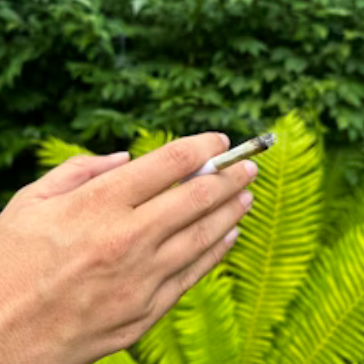
Pre-rolls containing carefully selected cultivars offer convenience for those who prefer inhalation methods. Smaller pre-rolls or “minis” have gained popularity among daytime users who want a quick session without committing to a full-size joint. Products featuring high-THCV cultivars or balanced THC-to-CBD ratios are increasingly common in this category, making it easier to find options that won’t leave you feeling cloudy or sedated.
Chews and gummies formulated with daytime use in mind typically feature lower THC content paired with CBD, THCV, or both. The addition of energizing terpenes like limonene and pinene, combined with bright, citrus-forward flavors, signals their intended use for active hours. These products offer discrete consumption and precise dosing, making them practical for use throughout your day without drawing attention or requiring special equipment.
Strains and Cultivars Worth Exploring
While individual terpene and cannabinoid profiles matter more than broad strain classifications, certain cultivars have earned reputations as reliable choices for daytime consumption. Understanding a few standout options gives you a starting vocabulary when discussing preferences with your budtender or browsing product menus.
Jack Herer remains one of the most celebrated daytime cultivars, named after the legendary cannabis activist. This strain typically features a complex terpene profile combining spicy, pine-like notes with earthy undertones. Users often describe Jack Herer as providing clear-headed focus and gentle energy without excessive stimulation or anxiety, making it suitable for everything from creative work to physical activities.
Super Lemon Haze lives up to its name with an intensely citrus-forward aroma driven by high limonene content. This cultivar has become synonymous with daytime cannabis consumption, offering a bright, uplifting experience that many users find enhances mood and motivation. The pronounced lemon character makes it instantly recognizable and appealing to those who enjoy vibrant, fruit-forward flavors.
Durban Poison represents one of the few remaining cultivars with strong landrace genetics, originating from South Africa. Its sweet, earthy aroma with hints of anise and pine comes from a terpene profile rich in terpinolene. Users appreciate Durban Poison for providing energizing effects without the jittery sensation sometimes associated with highly stimulating cultivars, making it a staple for daytime consumption.
Beyond Traditional Strain Classifications
As cannabis cultivation and breeding have advanced, many cultivators now focus on specific terpene and cannabinoid profiles rather than adhering to traditional sativa or indica classifications. This means you might find an “indica” that provides uplifting, clear-headed effects due to its particular combination of terpenes, or a “sativa” that some users find too sedating. Always prioritize lab-tested terpene and cannabinoid data over strain classification alone when making your selection.
What to Avoid for Daytime Use
Understanding which products and characteristics to avoid is just as important as knowing what to seek out. Certain cannabis products are specifically formulated for evening relaxation or sleep support, and using these during daytime hours will likely result in disappointing experiences that interfere with productivity rather than enhancing it.
High-potency concentrates such as wax, shatter, or diamonds typically contain THC levels exceeding 70%, sometimes reaching 90% or higher. While experienced users might successfully integrate these products into daytime routines in very small amounts, they generally pose too high a risk of overwhelming effects for most people seeking functional daytime support. The intense potency leaves little room for error in dosing, and even slight overconsumption can result in hours of mental fog or couch-lock.
Products high in the terpene myrcene should generally be avoided for daytime use. Myrcene, which gives cannabis a musky, earthy, or clove-like aroma, is associated with sedating, body-focused effects. Cultivars described as having strong “OG” characteristics often contain significant myrcene, making them better suited for evening consumption. If you notice a product prominently featuring myrcene in its terpene profile, it’s probably not your best choice for staying productive during business hours.
Traditional “indica” cultivars bred specifically for relaxation and sleep support should obviously be saved for evening use. While the sativa-indica distinction isn’t perfectly reliable, products explicitly marketed for sleep, pain relief, or deep relaxation typically contain cannabinoid and terpene combinations that work against daytime productivity goals.
Talking to Your Budtender About Daytime Needs
Your dispensary’s staff can be your greatest ally in finding appropriate daytime products, but you’ll get the best recommendations by clearly communicating your specific needs and circumstances. Rather than asking generally for “something for daytime,” provide context about your typical activities, responsibilities, and what you’re hoping to achieve.
Explain whether you’ll be working at a computer, engaging in physical activities, attending social events, or pursuing creative projects. Mention if you’re sensitive to THC or have had experiences with cannabis that felt too intense. Share any products you’ve tried previously and what you liked or disliked about them. This detailed information helps your budtender suggest products with appropriate potency, cannabinoid ratios, and terpene profiles for your situation.
Don’t hesitate to ask specific questions about lab results, terpene content, and expected effects. A knowledgeable budtender should be able to show you detailed product information and explain why they’re recommending particular options. If they seem dismissive of your questions or can’t provide specifics beyond marketing language, consider seeking assistance from another staff member or visiting a different dispensary that prioritizes customer education.
Integrating Cannabis Into Professional Settings
For those interested in incorporating cannabis into their workday, additional considerations around discretion, legality, and workplace culture become paramount. Even in states where cannabis is fully legal for adult use, many employers maintain drug-free workplace policies, and consuming cannabis during work hours could have professional consequences regardless of legal status.
If you choose to use cannabis products during work hours, opt for consumption methods that are discrete and don’t produce telltale odors. Edibles, tinctures, and tablets offer the most discretion, as they’re virtually undetectable to others. Vaporizers designed for concentrates produce less lingering smell than flower vaporizers, though neither is completely odorless.
Consider the ethical implications of using cannabis while performing job duties that could affect others’ safety or well-being. Operating vehicles, heavy machinery, or providing medical care are obvious situations where cannabis consumption is inappropriate. Even for desk work or creative tasks, you have a responsibility to ensure your cannabis use doesn’t compromise your work quality or create issues for colleagues.
Adjusting Your Approach Based on Tolerance
Cannabis tolerance—your body’s adaptation to regular cannabinoid exposure—significantly affects what constitutes an appropriate daytime dose. If you’re new to cannabis or use it infrequently, you’ll likely find that very low doses provide noticeable effects. Regular users might need substantially higher doses to achieve the same experience, which can make daytime consumption more challenging as higher doses increasingly risk unwanted sedation or mental fog.
If you notice your daytime products becoming less effective over time, you have several options. The most straightforward approach is taking a tolerance break—abstaining